

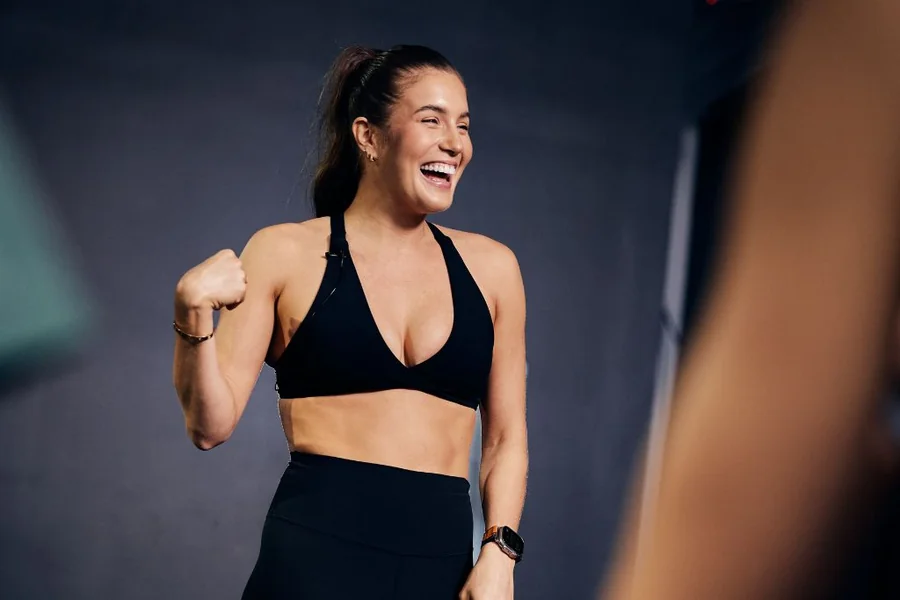
Learning how to embrace body shape is an important part of developing a positive relationship with yourself. Everyone has different proportions, features, and physical characteristics, and these differences are a natural part of human diversity. However, social expectations, fashion trends, and unrealistic images can sometimes make people feel dissatisfied with their appearance. Instead of comparing yourself with others, you can focus on appreciating what makes your body unique. Body acceptance does not mean you must love every feature every day. It means treating yourself with respect, choosing habits that support your well-being, and understanding that your appearance does not determine your worth.
Building a healthier body image takes time and patience. Start by recognizing that body shapes are influenced by genetics, age, hormones, lifestyle, and other individual factors. Resources such as bodytypecalc can help you understand general body proportions and common shape categories. This information may offer useful styling inspiration, but it should never become a standard for judging your appearance. Your body does not need to fit a particular category to deserve appreciation. A positive approach begins with accepting your natural structure and making choices that support your comfort, confidence, and personal goals.
Understand and Appreciate Your Natural Body Shape
The first step toward body acceptance is understanding that there is no single ideal body shape. People naturally differ in shoulder width, waist definition, hip proportions, height, and overall build. Some may have balanced shoulders and hips, while others have more noticeable differences between these areas. These variations are normal and do not indicate whether someone is healthy, attractive, or physically capable. Learning about your proportions can help you understand how clothing fits and what styles you enjoy, but avoid treating body shape categories as permanent labels. Your body may also change over time because of aging, pregnancy, physical activity, or other life experiences. Rather than focusing on measurements, pay attention to what your body allows you to do and appreciate its ability to support your everyday activities.
Stop Comparing Yourself With Others
Comparison can make body acceptance difficult, especially when social media constantly presents carefully selected images of appearance and beauty. Photographs may be edited, professionally styled, or captured from flattering angles, creating expectations that are unrealistic for everyday life. Comparing your body with celebrities, influencers, friends, or even your younger self can lead to unnecessary frustration. Everyone has different genetics, lifestyles, and personal circumstances, so identical results are not realistic. A helpful approach is to reduce exposure to content that makes you feel uncomfortable and follow people who promote diverse and realistic representations of body image. When you notice yourself comparing, remind yourself that another person’s appearance does not reduce your own value. Focus on personal qualities, achievements, relationships, and experiences that have nothing to do with physical appearance.
Choose Clothes That Make You Feel Comfortable
Clothing can influence confidence because the right fit allows you to move comfortably and express your personality. Instead of choosing outfits based on strict body-shape rules, consider what makes you feel relaxed and confident. Some people enjoy fitted clothing that highlights their natural proportions, while others prefer loose silhouettes, layered outfits, or simple everyday styles. Both approaches are perfectly acceptable. Pay attention to fabric, comfort, movement, and the activities you need your clothes for. A well-fitting pair of trousers, a comfortable shirt, or a favorite dress can become a reliable wardrobe choice. Experiment with different colors, patterns, and accessories without assuming that certain styles are unsuitable for your body. Fashion should provide opportunities for self-expression rather than create additional pressure to change your appearance.
Build Healthy Habits Without Punishing Your Body
A positive relationship with your body becomes stronger when you focus on habits that support overall well-being. Regular physical activity, balanced meals, sufficient sleep, and proper hydration can help you feel more energetic and comfortable. Choose movement that you genuinely enjoy, whether it involves walking, cycling, dancing, swimming, stretching, or strength training. Exercise does not need to be a punishment for eating or a way to achieve a particular body shape. Similarly, nutritious food should provide nourishment rather than become a source of guilt. Avoid extreme diets and unrealistic transformation plans that promise quick results. Healthy routines should be flexible enough to fit your daily life. Remember that your body composition may change over time, but your worth does not depend on reaching a specific weight, clothing size, or appearance.
Develop a Positive Mindset and Self-Respect
The way you speak to yourself can influence how you feel about your appearance. Repeated negative comments about your body may gradually affect confidence, so try replacing harsh judgments with more balanced thoughts. Instead of criticizing a particular feature, remind yourself that physical differences are normal and that no body looks perfect all the time. You can also practice gratitude by recognizing what your body helps you accomplish, such as working, learning, creating, caring for others, and enjoying activities. Surround yourself with supportive people who respect individuality and avoid conversations that constantly focus on appearance. If body-related worries become overwhelming or interfere with daily life, speaking with a qualified mental health professional can provide helpful support. Self-respect grows through consistent kindness, patience, and realistic expectations.
Final Thought
Embracing your natural body shape is an ongoing process rather than a goal you must achieve overnight. Some days you may feel confident, while other days you may notice insecurities returning. That does not mean you are failing. Give yourself room to grow, experiment with personal style, and develop habits that support your physical and emotional well-being. Avoid allowing beauty standards or comparisons to determine how you feel about yourself. Your body is one part of your identity, not the complete definition of who you are. When you focus on comfort, health, individuality, and self-respect, you can build a more balanced relationship with your appearance. Confidence becomes easier to develop when you treat yourself with the same understanding you would offer someone you care about.
FAQs
What does it mean to embrace your body shape?
It means accepting your natural proportions, treating your body with respect, and choosing clothing and habits that support your comfort and confidence.
How can I become more confident about my appearance?
Reduce unhealthy comparisons, practice positive self-talk, wear comfortable clothing, and focus on your personal strengths and achievements.
Can my natural body shape change over time?
Yes. Age, hormones, pregnancy, physical activity, and changes in body composition can influence appearance and proportions over time.
Should I follow specific fashion rules for my body type?
No. Fashion guidelines can provide inspiration, but personal comfort and individual preferences should guide your clothing choices.
How can I maintain a healthy relationship with my body?
Focus on balanced nutrition, enjoyable physical activity, sufficient sleep, realistic expectations, and self-respect rather than appearance-based goals.
