

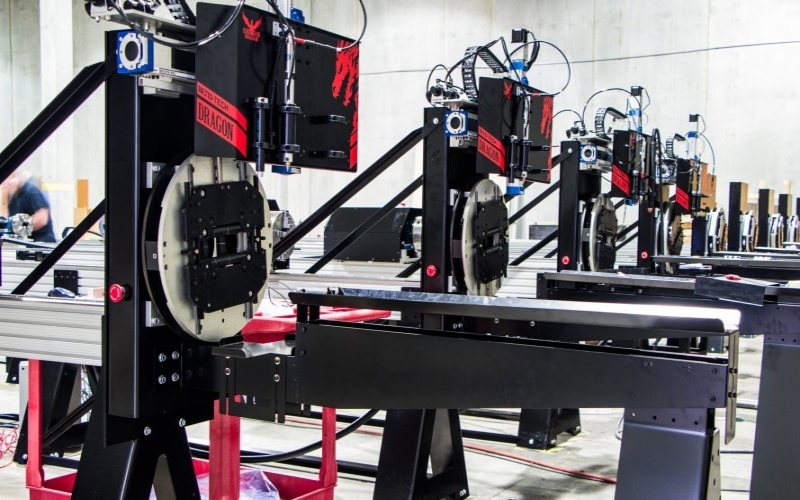
CNC plasma cutting is a popular metal cutting technique that offers unparalleled accuracy and precision. It is used in a wide range of manufacturing industries from automotive and aerospace to construction and architecture. However, the performance of a CNC plasma cutting system depends on the use of specialized accessories. These accessories optimize cutting quality. Additionally, they improve safety, durability, and ease of operation.
This article explains the most popular CNC plasma cutting accessories, their functions, and how they contribute to achieving superior operational efficiency.
Overview of CNC Plasma Cutting Operation
CNC plasma cutting is a metal fabrication process that uses a high-velocity jet of ionized gas to make accurate and quality cuts. It works mainly with electrically conductive materials such as steel, aluminum, and copper utilized in various manufacturing industries. The CNC plasma cutting operation begins with the generation of a plasma arc. You do this by passing an electric current through compressed air. The plasma reaches temperatures of up to 30,0000F. This high temperature melts the metal along the cutting path.
Simultaneously, a stream of gas blows away the molten metal to produce clean cuts. CNC plasma cutters are made up of different parts that work together to ensure consistent operation. They directly influence the quality of cuts and extend the equipment’s lifespan.
8 Essential Accessories for CNC Plasma Cutting
The CNC plasma cutter will not work if the following accessories function sub-optimally.
-
Torch Height Controllers
The distance between the plasma torch and the workpiece must be properly maintained when cutting through. The torch’s distance affects cut quality and system efficiency. The use of torch height controllers ensures the correct arc length is used to get consistent cut quality.
The THC can either be manually or automatically operated. They use a combination of sensors and algorithms to control the torch height. To work, a THC senses the workpiece, calculates the optimal stand-off distance, and sends a signal to the CNC controller. It then adjusts the height based on the calculated distance.
-
Downdraft and Water Table Systems
The downdraft and water table systems are crucial components of CNC plasma cutters. The downdraft table removes fumes and smoke generated during cutting from the work area. The air is then filtered to provide a cleaner environment. It is useful when you are working indoors or where there is limited ventilation.
Furthermore, the water table uses a reservoir of water beneath the cutting surface. This helps to trap fumes, reduce noise, and improve cut quality.
-
Air Filtration Systems
Another essential CNC plasma cutting accessory is the air filtration system. It focuses on the compressed air used to generate the plasma arc. The air filtration system removes contaminants from the compressed air before it gets to the plasma torch.
More advanced systems have desiccants that remove water vapor effectively. The result is clean and dry air that ensures a stable plasma arc. With air filtration systems, you can be sure of extended torch life, reduced energy waste, and lower maintenance costs.
-
Consumables and Replacement Parts
Consumables describe components of CNC plasma cutters that wear out with time due to high heat and pressure. You need to frequently replace them to maintain cut quality and system performance. Common consumables include nozzles, electrodes, shields, and swirl rings.
- Nozzles direct the plasma arc onto the material for a cutting action.
- Electrodes transfer electrical energy to the workpiece to generate the plasma arc.
- As the name implies, shields protect the torch from sparks and molten metal.
- Furthermore, swirl rings control gas flow around the plasma arc to ensure consistent cutting.
-
CNC Software and Controllers
The CNC system is more than just an accessory. It is the brain of a plasma-cutting machine. The system uses two categories of software to automate the cutting process. The first one known as CAD software allows you to create detailed designs that are a representation of the final part. Additionally, CAM software converts the model into precise torch movements.
Furthermore, CNC controllers can be basic or advanced. Basic controllers are used for simple operations and small-scale cutting. Conversely, advanced controllers include features like real-time monitoring and integration with integration with sensors.
-
Guiding Guides and Jigs
Guides and jigs are mechanical devices that correctly position the plasma torch for precise cuts. You should use them when making repetitive cuts or working on surfaces like pipes and tubes.
There are different types of guides and jigs used in modern manufacturing. The most common are straight-edge guides, circle-cutting guides, and custom jigs. They have unique designs that influence their applications. Guides and jigs ensure consistent results, reduce operational errors, and streamline the setup process for repetitive cuts.
-
Safety Accessories
The CNC plasma-cutting process generates a significant amount of heat and ultraviolet radiation. For this reason, you must use accessories to improve safety and protect yourself from potential hazards. Key safety accessories include personal protective equipment (PPE), fume extractors, and spark shields.
- PPE includes helmets, fire-resistant gloves, flame-resistant clothing, safety goggles, and hearing protection.
- Fume extractors and ventilation systems remove toxic emissions from the workspace.
- Spark shields protect the surrounding environment from flying sparks and debris.
-
Voltage Regulators and Surge Protectors
The plasma cutter cannot function efficiently without a stable power supply. Voltage fluctuations and electrical surges can cause irreversible damage to sensitive components. This may lead to costly repairs and downtime. For this reason, you need to invest in quality voltage regulators and surge protectors to avoid these issues.
Voltage regulators maintain a consistent voltage level even when the power supply fluctuates. Furthermore, surge protectors shield the plasma cutter in cases of sudden electrical surges.
How to Maintain CNC Plasma Cutting Accessories
You have to properly maintain CNC plasma cutting accessories to ensure consistent performance and extend their lifespan. The maintenance requirements of the tools differ. However, some general guidelines apply to various accessories. These maintenance guidelines are
- Conduct regular inspections to help identify wear and damage before they cause significant issues.
- Examine moving parts for misalignment and cracks.
- Keep all accessories clean using a nonabrasive cleaner to remove debris, dirt, and slag.
- Replace worn-out or damaged parts promptly to reduce the risk of system damage.
- Store all accessories in a clean, dry, and organized space to prevent damage and contamination.
- Finally, review the user’s manual for maintenance schedules and specific cleaning methods.
Conclusion
Many accessories are critical in CNC plasma cutting operations. They ensure performance and safety when working on a project. From consumables to advanced torch height detectors and air filtration systems, each accessory plays a specific role in enhancing operational efficiency. You have to invest in the right accessories and properly maintain them to unlock the full potential of CNC plasma cutting technology. Do you have further questions or clarifications, reach out to a reputable sheet metal fabricator today.
