

Introduction
Creative Magazine Photography Techniques help transform ordinary photographs into compelling visuals that capture attention and communicate a clear story. In magazines, photography does more than decorate a page; it creates atmosphere, supports editorial ideas, and encourages readers to connect with the subject. A fashion portrait can communicate confidence, a travel photograph can make a destination feel inviting, and a simple product image can reveal character through light and composition. Whether you are an aspiring photographer, content creator, or magazine editor, understanding how to plan and capture engaging images can improve your work. With thoughtful preparation, creative experimentation, and a clear visual direction, photographers can produce images that feel distinctive and publication-ready.
1. Plan a Story Before Taking Photographs
Strong magazine photography begins with an idea rather than simply choosing a camera and taking pictures. Before a shoot, understand the article’s subject, audience, mood, and central message. Create a simple mood board containing reference images, color ideas, location options, wardrobe suggestions, and lighting examples. Then prepare a shot list that includes a main image, supporting photographs, portraits, environmental details, and alternative compositions. This preparation helps keep the shoot focused while leaving room for spontaneous moments. For example, a feature about sustainable fashion might combine clothing portraits with close-ups of natural fabrics and photographs showing how garments are made. Each image should contribute something meaningful to the overall story.
2. Experiment with Composition and Framing
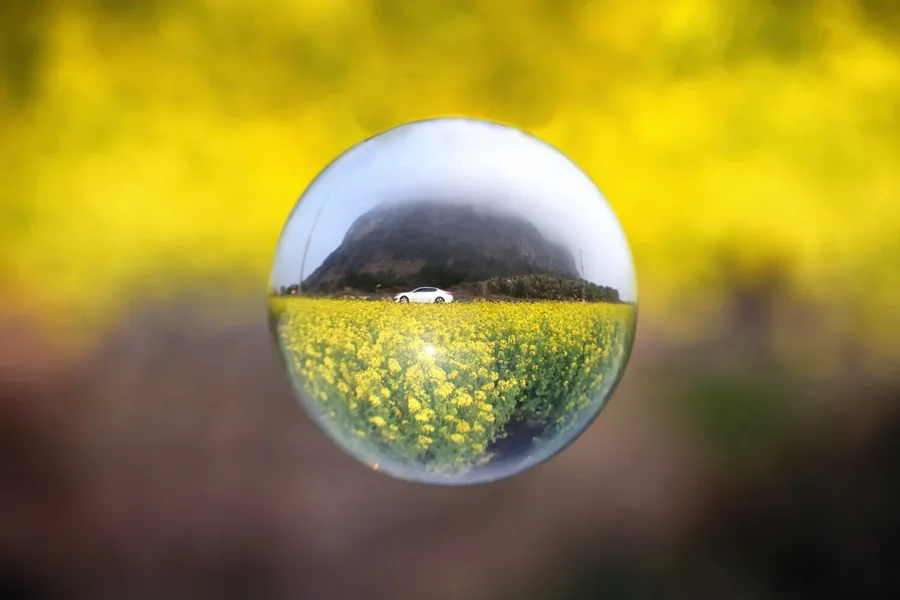
Composition determines how viewers move through a photograph and where their attention settles. The rule of thirds provides a useful starting point, but magazine photographers can also experiment with symmetry, diagonal lines, reflections, and unusual perspectives. Negative space is particularly valuable because magazine layouts often need room for headlines, captions, and other text. Framing a subject through a doorway, window, or architectural feature can create depth and direct attention toward the main point of interest. Try photographing the same subject from several distances and angles to create options for different page layouts. The goal is not to follow every traditional rule, but to make deliberate choices that strengthen the photograph’s meaning.
3. Use Lighting to Create Mood and Depth
Lighting can change the emotional character of a photograph even when the subject remains the same. Soft window light is useful for natural portraits, beauty photography, and lifestyle features, while directional light creates stronger shadows and a more dramatic atmosphere. Outdoor photographers can take advantage of early morning or late afternoon light for warmer tones and softer contrast. In a studio, reflectors, diffusers, and artificial lights provide more control over highlights and shadows. Pay attention to the background as well as the subject, since uneven lighting can distract from the main composition. Instead of adding equipment automatically, decide what feeling the image should communicate and choose the simplest lighting setup that achieves it. <Cite refs={[“turn654155search6″,”turn654155search11”]} />
4. Direct Subjects Naturally and Creatively
Portraits become more engaging when the subject appears connected to the story rather than simply posing for the camera. Begin by explaining the purpose of the shoot and creating a comfortable atmosphere. Instead of repeatedly asking someone to smile, give them an activity, invite them to move, or ask questions that encourage genuine expressions. For fashion photography, experiment with body angles, hand placement, movement, and the relationship between clothing and the surroundings. For interviews and profile features, include environmental portraits that show the subject in a meaningful setting. Capture moments between formal poses as well, because a small gesture or natural expression can communicate personality. Clear direction and respectful collaboration usually produce more authentic results. <Cite refs={[“turn654155search6″,”turn654155search8”]} />
5. Explore Color, Props, and Creative Perspectives
Color and styling help establish a consistent visual identity across a magazine feature. Complementary colors can create contrast, while related shades often produce a calmer, coordinated appearance. Props should support the subject rather than overwhelm it; a book, flower, piece of fabric, or everyday object can add context when used thoughtfully. Photographers can also create visual interest through reflections, shadows, silhouettes, foreground objects, and motion. For example, a food feature might use rich colors and close-up textures, while a minimalist interior story could rely on neutral tones and carefully arranged lines. Experimentation is valuable, but every creative decision should serve the intended message. A visually striking photograph is most effective when its style and subject work together.
6. Edit Images for a Consistent Editorial Style
Editing helps photographs feel polished and cohesive, particularly when several images appear together in a magazine spread. Start by selecting images with different purposes, including wide scenes, close details, portraits, and alternative crops. Adjust exposure, white balance, contrast, and color carefully, aiming to preserve important detail and maintain a natural appearance where appropriate. Avoid applying heavy filters that make skin tones unrealistic or cause the photographs to feel disconnected from one another. Before final delivery, check sharpness, image resolution, cropping requirements, and file formats with the editor or publisher. It is also important to respect the subject and the story when retouching. A consistent editing process creates visual harmony without removing the qualities that make each image distinctive.
Final Thought
Creative magazine photography combines technical ability, thoughtful preparation, and a strong understanding of visual storytelling. From planning the concept and shaping the light to directing subjects and refining the final images, every stage influences how readers experience a story. Photographers do not need expensive equipment to begin experimenting; careful observation, simple lighting tools, and creative use of available locations can produce memorable results. Reviewing editorial publications and related creative resources, including Fabsmagazine, can also provide inspiration for developing new visual ideas. Most importantly, practice different approaches while keeping the subject and intended audience in mind. Over time, a consistent creative process can help photographers build a recognizable style and deliver images that strengthen magazine content.
FAQs
1. What are creative magazine photography techniques?
Creative magazine photography techniques include thoughtful composition, controlled lighting, natural subject direction, purposeful styling, color coordination, and visual storytelling designed for editorial use.
2. What equipment is needed for magazine photography?
A camera or capable smartphone, suitable lenses if available, basic lighting tools, reflectors, and editing software can help produce quality magazine images. The exact equipment depends on the assignment.
3. How can I make magazine photographs more interesting?
Experiment with different angles, negative space, reflections, textures, movement, and lighting. Give every photograph a clear purpose instead of relying on visual effects alone.
4. Why is lighting important in editorial photography?
Lighting shapes the subject, controls shadows and highlights, and establishes mood. It helps photographers direct attention and create images that support the article’s message.
5. How should magazine photographs be edited?
Adjust exposure, color balance, contrast, and cropping carefully while maintaining a consistent visual style. Always follow the publication’s technical requirements and avoid unnecessary retouching.
6. Can beginners learn magazine photography?
Yes. Beginners can start by planning simple photo stories, practicing composition with available light, photographing familiar subjects, and studying how published images support articles.
