

Unveiling the Latest Innovations in Smartphone Technology
The smartphone industry has witnessed remarkable technological advancements in recent years. From foldable displays to enhanced processing power, smartphones have transformed from mere communication devices into powerful multi-functional tools. These innovations continue to shape how people communicate, work, and entertain themselves.
Foldable Smartphones
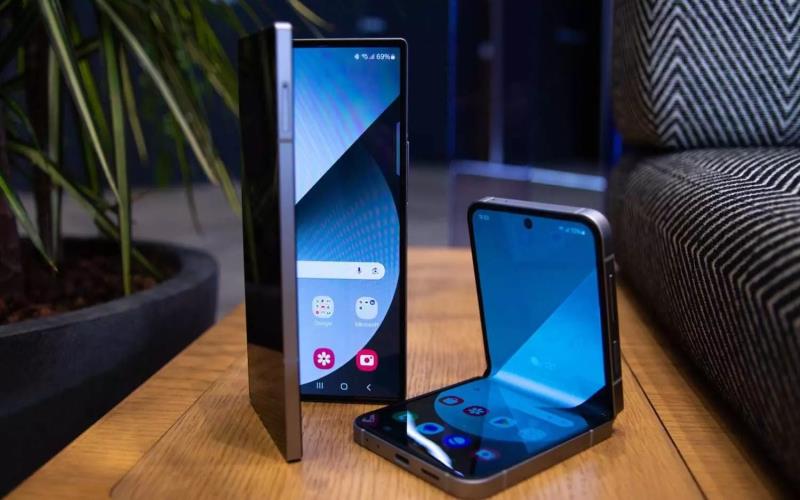
One of the most striking innovations in recent smartphone technology is the introduction of foldable smartphones. Devices like Samsung’s Galaxy Z Fold and Z Flip have pioneered this trend, offering users the ability to switch between a standard phone and a tablet-like experience with a simple fold. This innovation combines portability with a larger screen, making it ideal for multitasking, watching videos, and playing games.
Foldable smartphones use flexible OLED screens that bend without breaking, and manufacturers are working on improving the durability and functionality of these devices. The seamless transition between phone and tablet modes is making foldable phones increasingly popular among tech enthusiasts.
5G Connectivity
Another significant innovation in smartphone technology is the integration of 5G connectivity. 5G networks offer ultra-fast internet speeds, reduced latency, and the ability to connect more devices simultaneously. This has transformed the way people use their smartphones, enabling smoother video streaming, faster downloads, and improved mobile gaming experiences.
5G also opens up new possibilities for augmented reality (AR) and virtual reality (VR) applications on smartphones. With the higher data transfer rates and lower lag times, 5G-powered devices can handle the immense data loads required by AR and VR technologies, making immersive experiences more accessible.
AI-Powered Cameras
Smartphone cameras have seen a major upgrade, thanks to artificial intelligence. AI-powered cameras now dominate the market, offering features like scene detection, automatic adjustments for lighting conditions, and facial recognition. These AI enhancements allow even amateur photographers to capture professional-quality images.
Smartphones like Google Pixel and iPhone have advanced camera systems that analyze a scene and apply adjustments in real-time, optimizing brightness, contrast, and color balance. AI technology has also made it possible for smartphone cameras to produce impressive results in low-light conditions, eliminating the need for additional equipment.
Battery and Charging Innovations
Battery life has always been a critical aspect of smartphone design, and recent innovations have focused on enhancing battery efficiency and charging speed. Fast-charging technology now allows smartphones to reach full battery capacity in a matter of minutes rather than hours. Brands like OnePlus and Xiaomi have introduced fast chargers that significantly reduce downtime, enabling users to power up quickly.
In addition to fast charging, wireless charging has also become more common. Some smartphones now support reverse wireless charging, allowing users to charge other devices, such as earbuds or smartwatches, directly from their phone’s battery.
Advanced Biometrics
The integration of biometrics for security purposes has evolved, with facial recognition and fingerprint scanning becoming standard features. Face unlock systems have become more sophisticated, using AI to identify faces even in challenging conditions like poor lighting or at different angles.
Meanwhile, under-display fingerprint sensors have replaced traditional fingerprint scanners. These sensors provide a more seamless and secure user experience, ensuring that biometric data is encrypted and stored safely on the device.
Eco-Friendly Materials and Sustainability
Sustainability has become an essential focus in smartphone design. Many manufacturers are turning to eco-friendly materials and processes to reduce the environmental impact of smartphone production. Companies like Fairphone emphasize modular design, allowing users to easily replace or upgrade individual components, reducing electronic waste.
Smartphone makers are also improving recycling initiatives and minimizing the use of harmful chemicals in their devices, ensuring that the tech industry contributes to a greener future.
Conclusion
The future of smartphone technology is exciting, with emerging innovations such as augmented reality glasses, holographic displays, and even AI assistants embedded within smartphones. As manufacturers push the boundaries of what a phone can do, users can expect even more immersive, functional, and eco-conscious devices in the years to come. These advancements reflect the smartphone industry’s ongoing quest to enhance user experience while addressing the growing demand for sustainability and innovation.
