

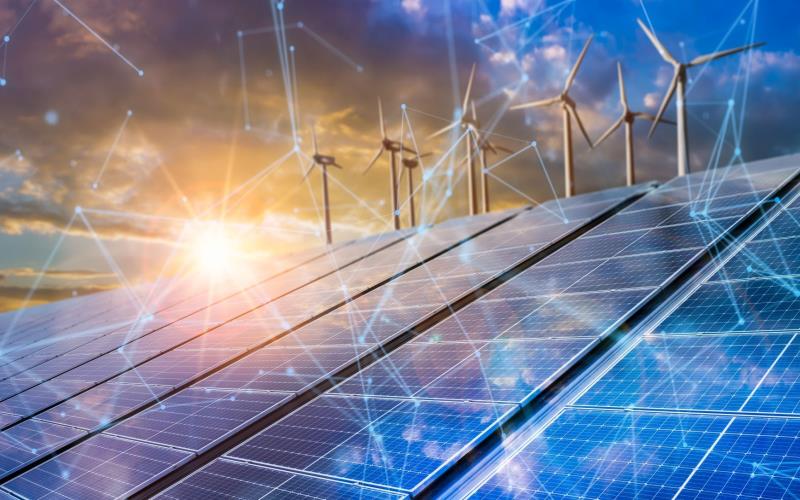
The Future of Renewable Energy with Technological Advances
The global energy landscape is undergoing a significant transformation as renewable energy sources rapidly gain traction over fossil fuels. With concerns about climate change, environmental degradation, and depleting fossil fuel reserves, the shift toward renewable energy has become not only necessary but urgent. However, what makes this transition more promising is the technological advances driving renewable energy solutions. Innovations in solar, wind, energy storage, and artificial intelligence (AI) are playing a pivotal role in overcoming challenges that previously hindered the widespread adoption of renewable energy.
Technological Advancements in Solar Power
Solar energy, one of the most promising renewable energy sources, has seen remarkable technological advancements in recent years. The development of more efficient photovoltaic (PV) cells has significantly increased the efficiency of solar panels, allowing them to convert more sunlight into usable electricity. Perovskite solar cells, a recent breakthrough, offer the potential to outperform traditional silicon-based panels by delivering higher efficiency at a lower cost.
Moreover, solar energy systems now incorporate smart technology, such as solar tracking systems. These systems allow solar panels to follow the sun’s path throughout the day, optimizing energy capture and increasing output by as much as 30%. As the cost of solar technology continues to decrease and efficiency increases, solar energy is expected to play a leading role in future energy production.
Wind Power Innovations
Wind energy has also experienced rapid advancements. Technological innovations have led to the development of larger, more efficient wind turbines that are capable of generating more power. Offshore wind farms, which harness stronger and more consistent winds over bodies of water, have become a critical component in the future of renewable energy. In addition to larger turbines, floating wind turbines are emerging as a solution to harness wind energy in deeper waters where traditional fixed turbines are not feasible.
Advances in materials science have enabled the construction of lighter, stronger turbine blades, which can generate more energy while reducing operational costs. Wind farms are increasingly being integrated into smart grids, where they can communicate with energy storage systems to balance supply and demand in real-time, ensuring a more reliable energy source.
Energy Storage Breakthroughs
One of the greatest challenges facing renewable energy sources like solar and wind is their intermittent nature. Solar energy is only available when the sun is shining, and wind energy depends on wind speed. However, significant progress in energy storage technology is addressing this issue. Lithium-ion batteries have become the go-to solution for storing excess energy generated during peak production times, which can then be used when energy demand is high or renewable sources are not generating electricity.
Beyond lithium-ion, research into alternative energy storage systems, such as flow batteries and solid-state batteries, is showing great promise. Flow batteries, for example, offer longer discharge times and can be scaled for large grid applications. With better energy storage, the stability and reliability of renewable energy systems are vastly improved, making it feasible to rely on renewable energy even during periods of low production.
The Role of Artificial Intelligence in Renewable Energy Systems
Artificial intelligence (AI) is revolutionizing renewable energy management by enabling more precise forecasting, optimization, and energy distribution. AI algorithms can analyze weather patterns to predict solar and wind energy generation with greater accuracy, helping operators to adjust energy production in real time. Additionally, AI-driven systems can optimize the performance of wind turbines and solar panels by identifying inefficiencies and making adjustments on the fly.
AI also enhances grid management. Smart grids powered by AI can respond to changes in energy supply and demand, ensuring that energy from renewable sources is distributed where it is needed most. This makes energy systems more flexible and reduces waste, improving the overall efficiency of renewable energy integration into the power grid.
Hydrogen: The Next Frontier in Renewable Energy
Hydrogen is emerging as a potential game-changer in the renewable energy space. When produced using renewable energy sources like wind and solar, green hydrogen offers a clean alternative to fossil fuels, especially for industries that are difficult to decarbonize, such as heavy manufacturing and transportation. Technological advancements in electrolyzers, the devices used to produce hydrogen from water, have made the process more efficient and cost-effective, driving down the price of green hydrogen production.
Hydrogen fuel cells are another area where progress is being made. These fuel cells can power everything from cars to industrial equipment, with the only by-product being water. As hydrogen infrastructure expands, it has the potential to complement other renewable energy technologies and help accelerate the transition to a carbon-neutral future.
Smart Grids and Decentralized Energy Systems
The integration of renewable energy sources requires an evolution of the traditional energy grid. Smart grids, which use digital technology to manage and distribute electricity more efficiently, are critical to the future of renewable energy. These grids can handle energy inputs from multiple, decentralized sources, including solar, wind, and energy storage systems, ensuring that electricity is distributed where it’s needed while minimizing energy loss.
Decentralized energy systems allow for local energy production and consumption, reducing the strain on large, centralized power plants. This not only improves energy security but also enables communities and businesses to become more self-reliant by generating their own electricity from renewable sources.
Challenges and Opportunities Ahead
While the future of renewable energy is promising, there are challenges that need to be addressed. One major challenge is the cost and complexity of upgrading existing energy infrastructure to accommodate new renewable technologies. Another issue is the political and economic landscape, as governments and industries must invest heavily in research and development to support the transition to renewable energy.
However, the opportunities are vast. The renewable energy sector is creating millions of new jobs, driving economic growth, and contributing to the fight against climate change. With continued technological innovation and investment, renewable energy has the potential to power the world in a cleaner, more sustainable way.
Conclusion
The future of renewable energy is bright, thanks to the technological advancements that are making it more hubbydigital, reliable, and cost-effective. Innovations in solar and wind power, energy storage, AI, and hydrogen production are driving the transition to a cleaner energy future. As we continue to refine these technologies and integrate them into smart, decentralized energy systems, the global energy landscape will shift toward a more sustainable and resilient model.
