

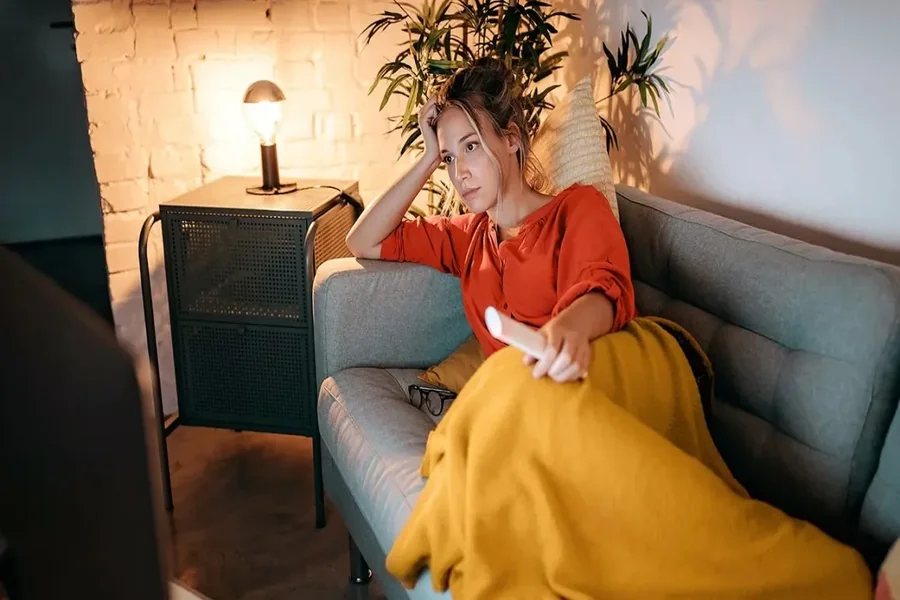
Late-night viewing can be a gift. The house finally settles, notifications stop buzzing, and a playlist or series becomes a quiet companion. That calm can vanish fast if sound leaks through doors or a bright screen keeps others awake. A better setup respects shared spaces. Small tweaks to light, audio, and timing let entertainment fit the night instead of fighting it.
The idea is not to mute fun. It is to shape the experience so it lands softly. A few steady rules turn midnight marathons into low-impact rituals – the kind that feel good now and still look considerate in the morning.
Why Late-Night Viewing Needs Different Rules
Daytime settings aim for impact. Night settings aim for comfort. Blue light that looks crisp at noon can feel harsh at 1 a.m. Volume that sounds normal in a busy room becomes a wall-shaker after bedtime. The goal is a setup that honors quiet hours while keeping story beats clear.
Start with a stable mobile flow that treats brightness, sound, and alerts as first-class choices. For a clean, low-noise route that shows how late-night controls can be organized, begin here. Treat it as a practical reference for calm navigation – fewer taps, fewer surprises, and settings exactly where a sleepy brain expects them.
The Quiet Stack – Simple Settings That Do the Heavy Lifting
Night comfort comes from layers. Set them once, then enjoy the show without constant fiddling.
- Night mode with a warm tint – shift color temperature warmer to soften whites.
- Auto-brightness with a low cap – let sensors help, but keep a strict ceiling after dark.
- System-wide quiet hours – silence alerts, badges, and vibrations during the window.
- Dialogue boost or voice EQ – lift speech, so effects can stay lower.
- Subtitles by default – keep meaning clear at gentle volumes.
- Reduce motion – lighter animations prevent fatigue when eyes are tired.
- One-tap “lights out” preset – a saved profile that sets all of the above in a single action.
These settings handle most nighttime pain points. The viewing experience stays rich, yet the hallway stays silent.
Screen Light Without Eye Strain – Color, Contrast, and Distance
Brightness is only one lever. Color and contrast matter just as much. Warm tones reduce glare on pale scenes and make text easier to track. High contrast helps at low brightness because edges remain distinct without cranking the backlight. A small bump to font size prevents squinting, which cuts the urge to brighten the display.
Distance does quite work, too. A phone held closer than usual concentrates light in a tight beam. A small stand or pillow prop increases distance by a few inches – enough to lower perceived glare. Dark-theme interfaces help menus blend into the night, so the jump from scene to settings does not flash the room awake. When a platform supports per-app themes, keep night-heavy apps locked to dark. Consistency reduces accidental bright blasts.
Sound That Stays in the Room – Device, Placement, and Behavior
Audio leaks through doors more easily than people expect. The fix is a chain of small decisions. Begin with hardware. Closed-back headphones keep sound in and background out. If open-back is preferred for comfort, lower volume and lean on subtitles for detail. For speakers, angle drivers away from thin walls and toward soft surfaces. A folded blanket under a mini-speaker can absorb vibration that would otherwise pass to the floor.
Placement matters. Bedside nightstands act like amplifiers. A few inches from the edges and a little lift on a book or stand can tame resonance. Volume should ramp up gradually – start low, then add just enough to catch dialogue. Explosions and stingers will still land, only without jolting a sleeping household. Remember the hidden volume culprit – system alerts. Quiet hours must include alarms for marketing pushes, not just calls. A good setup makes promotional pings wait until morning.
After-Credits Rituals That Respect Tomorrow
Night viewing goes best when it ends cleanly. Autoplay can steal sleep in five-minute bites. A firm stop rule turns “one more clip” into “done for today.” Set an end-time before pressing play. When that time arrives, the preset from earlier should flip the device to true rest mode – no badges, no glow, no buzzing on the nightstand.
A tiny cool-down helps the brain shift gears. Dim the screen fully, step away from the water, and keep the lighting low. If notes are needed – a song to save or an episode to revisit – add a quick bookmark and close the app. The message to the mind is simple: the session is over. Tomorrow’s energy wins when tonight lands softly.
Late-night entertainment does not have to wage war with quiet. A warm display, voice-forward sound, and strict alert windows create a respectful bubble that keeps stories vivid and neighbors calm. The best setups feel automatic – one preset, one tap, zero drama. With a few thoughtful layers, the house sleeps and the show still shines.