

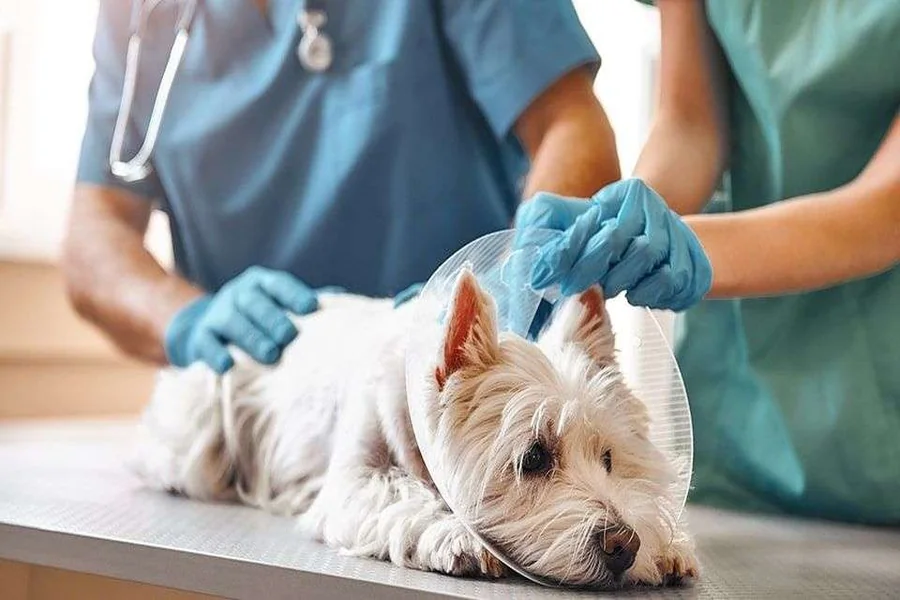
When your pet faces a sudden crisis, every second feels sharp and heavy. In those moments, a veterinary hospital becomes more than a clinic. It becomes a lifeline. Emergency care for animals needs fast action, clear thinking, and steady skill. You may search for help close to home, such as a veterinarian in North Hollywood, or in any other town. What matters is that you know where to turn before a crisis hits. This blog explains how veterinary hospitals respond when your pet cannot wait. You will see what happens from the first call, to triage, to treatment. You will also learn what you can do on the way to the hospital to protect your pet. With this knowledge, you can face the worst moments with less fear and more control.
What Counts As A Pet Emergency
You know your pet better than anyone. Still, some signs always mean you need help right away. Call an emergency veterinary hospital if your pet:
- Struggles to breathe
- Cannot stand, walk, or respond
- Has uncontrolled bleeding
- Has a seizure that lasts more than a few minutes
- Is hit by a car or falls from a height
- Ingests human medicine, cleaning products, or toxic food
- Has a swollen belly with pain and restlessness
- Cannot pass urine or stool and seems in distress
The American Veterinary Medical Association offers clear emergency signs and poison risks at https://www.avma.org/resources/pet-owners/emergency-care. Review that list before trouble comes. Preparation protects both you and your pet.
How Veterinary Hospitals Prepare For Emergencies
Emergency-ready veterinary hospitals work like small human emergency rooms. Staff train for sudden, high stress events. They keep supplies and equipment ready at all times. You may see:
- Separate entrance or phone line for emergencies
- Oxygen and airway tools set up for quick use
- IV pumps ready for fluids and medicine
- Monitors for heart rate, blood pressure, and oxygen
- On site lab testing for blood, urine, and basic imaging
These tools matter. Yet the real power comes from the team. Trained staff move with purpose. Each person has a clear role. That order creates calm for your pet and for you.
From The First Call To Triage
Emergency care starts before you walk through the door. It often starts with your phone call.
When you call, staff may:
- Ask about breathing, bleeding, and alertness
- Guide you to move your pet safely into the car
- Tell you what not to do, such as giving food, water, or human medicine
- Prepare the team so they are ready when you arrive
Once you reach the hospital, your pet goes through triage. Triage means quick sorting based on how urgent the problem is. The sickest or most unstable pets go first. Others may wait. This can feel harsh. It is not about who cares more. It is about who will lose the most if care is delayed.
What Happens In The Treatment Room
After triage, the team acts fast. You may stay in the lobby while staff work. That space can feel cold and long. Still, your wait gives the team room to move.
Common first steps include:
- Checking airway, breathing, and circulation
- Placing an IV catheter
- Giving oxygen
- Controlling bleeding or pain
- Running quick blood tests
- Taking x rays or an ultrasound
Next, the veterinarian explains what they found and offers a plan. You may face hard choices. Ask clear questions. Write notes. You have the right to understand each option, risk, and cost.
Common Emergency Services And Tools
Many emergency hospitals offer a core set of services. The table below shows a simple comparison that can help you ask the right questions when you choose where to go.
| Service Or Tool | Why It Matters In An Emergency | Questions To Ask Your Hospital
|
|---|---|---|
| 24/7 staff on site | Allows care at night, weekends, and holidays | Is a veterinarian present all night and all day |
| On site lab testing | Gives blood results in minutes | Can you run basic blood work at any time |
| Digital x ray and ultrasound | Shows broken bones, chest issues, and internal bleeding | Is imaging available right now for emergencies |
| Oxygen cages | Supports pets with breathing trouble | Do you have oxygen support for small and large pets |
| Surgery capability | Allows quick response to trauma or internal injury | Can you perform emergency surgery on site |
| Intensive care unit | Supports unstable pets after major events | Do you offer close monitoring through the night |
Your Role Before And During The Emergency Visit
You cannot control every crisis. You can still shape the outcome with three key steps.
First, plan ahead.
- Save the number and address of the nearest emergency hospital in your phone
- Keep a carrier, leash, and blanket by the door
- Know your pet’s normal behavior, breathing, and gum color
Second, act with focus during the event.
- Stay as calm as you can so your pet does not panic more
- Move slowly and support the head and spine if you suspect injury
- Bring all medicines your pet takes and any poison package or label
Third, follow up after the visit.
- Give medicines exactly as prescribed
- Watch food, water, and activity as the team directs
- Call if you see new or worsening signs
The ASPCA Animal Poison Control Center offers poison guidance at https://www.aspca.org/pet-care/animal-poison-control. Keep that link and number handy if your pet eats something unsafe.
How Emergency Care Connects To Regular Care
Emergency hospitals work best when they share information with your regular veterinarian. This connection supports steady recovery.
After the emergency visit the hospital usually:
- Sends records and test results to your regular veterinarian
- Outlines a clear home care plan
- Advises follow up visits and repeat tests if needed
Your regular veterinarian then uses this information to adjust long term care. This may include pain control, diet changes, or new tests. Routine care is more effective after treatment. Care teams understand what your pet survived and what risks remain.
Facing Emergencies With Less Fear
No one wants to think about a pet emergency. Yet silence does not prevent pain. Clear plans do. When you know where to go, what to expect, and how to act, you reclaim some control during a harsh moment. Veterinary hospitals stand ready to meet you there with skill, order, and respect for the bond you share with your pet.
