

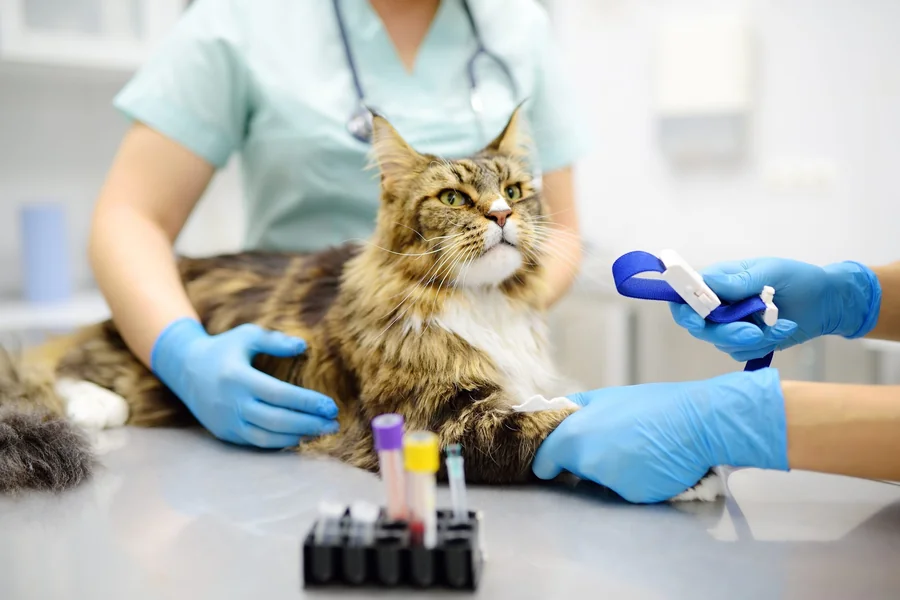
You want your pet to feel safe, calm, and happy for many years. Regular checkups, vaccines, and cleanings do more than prevent sickness. They protect your pet’s spirit. Quiet pain, slow weight gain, and tooth problems often grow without clear signs. Then they turn into big crises that scare both you and your pet. Routine general veterinary care finds these problems early and keeps your pet steady. Surprise veterinarian visits for emergencies are stressful and costly. Planned visits are shorter, calmer, and easier for your pet to handle. They also give you clear guidance on food, exercise, and behavior. Over time, this steady care shapes how your pet eats, sleeps, moves, and plays. It shapes how your pet trusts you. General veterinary care is not extra. It is the base for long term pet happiness.
Why routine care affects your pet’s mood
Physical comfort and emotional peace are linked. When your pet hurts, your pet’s mood drops. When your pet feels steady, your pet can relax and enjoy daily life with you.
Routine care supports that comfort in three main ways.
- It prevents many infections and serious diseases.
- It finds small problems before they grow into crises.
- It gives you clear steps to support your pet at home.
The American Veterinary Medical Association explains that regular exams help catch disease early and improve quality of life for pets.
What happens during general veterinary care
You help your pet when you understand what a routine visit covers. That knowledge lowers your stress and your pet feels your calm.
A standard visit often includes three parts.
- History and questions. You share changes in eating, drinking, bathroom habits, sleep, and play.
- Physical exam. The veterinarian checks eyes, ears, teeth, skin, heart, lungs, belly, joints, and weight.
- Care plan. You receive clear steps. These can include vaccines, parasite control, diet changes, exercise goals, or lab tests.
Each part protects your pet’s body and mood. For example, a simple ear infection can cause pain that leads to snapping or hiding. Quick treatment removes the pain and your pet’s behavior often improves.
How often should your pet see a veterinarian
Different pets need different schedules. Age, size, and health all matter. As a general guide, you can use these patterns.
- Puppies and kittens. Visits every 3 to 4 weeks until vaccines are complete.
- Healthy adult pets. At least one checkup every year.
- Senior pets. Often two checkups every year, or more if illness is present.
The U.S. Centers for Disease Control and Prevention notes that routine veterinary care also protects people from diseases that pass between animals and humans.
Routine visits versus emergency visits
Emergency visits often come with fear, money strain, and guilt. Routine visits usually come with clear plans and relief. The difference affects your pet’s long term happiness and your own mental health.
The table below compares routine care and emergency care.
Routine Veterinary Care Compared With Emergency Visits
| Topic | Routine General Care | Emergency Care
|
|---|---|---|
| Timing | Planned visit on a set schedule | Unplanned visit during a crisis |
| Pet stress | Lower. Shorter visit. Calmer handling | Higher. Pain, fear, loud sounds, long waits |
| Cost | More steady and easier to budget | Often high and sudden |
| Health focus | Prevention and early detection | Life saving care and damage control |
| Effect on long term happiness | Supports ongoing comfort and trust | Can save life but often follows long silent suffering |
When you keep up with routine care, you cut the risk of sudden emergencies. You also reduce the chance that your pet will link the veterinarian with pain and fear.
Key parts of general veterinary care that shape happiness
Several simple steps during general care have strong effects on your pet’s comfort and mood.
- Vaccines. These protect against painful and deadly diseases such as rabies and parvovirus.
- Parasite control. Fleas, ticks, and worms cause itching, stomach upset, blood loss, and restlessness. Prevention keeps your pet calm and able to sleep.
- Dental care. Tooth pain is silent but fierce. Cleanings and checks prevent tooth loss and infections that spread through the body.
- Weight and diet checks. Extra weight strains joints and the heart. A clear diet plan supports energy and play.
- Joint and movement checks. Early care for arthritis or hip problems keeps your pet moving and less frustrated.
Each step protects both body and mood. A pet that moves without pain, eats well, and sleeps through the night is more ready to play, train, and bond with you.
Behavior, training, and the exam room
General veterinary visits are not only about illness. They are also chances to talk about behavior. Small behavior changes can signal hidden medical problems. They can also point to stress at home.
You can use your visit to ask about three common topics.
- Barking, hissing, or growling.
- Hiding, pacing, or clingy behavior.
- House soiling or changes in litter box habits.
The veterinarian can rule out pain or sickness. Then you can receive simple training tips or a referral for behavior support. When you act early, you protect your pet’s happiness and keep your home more peaceful.
Building trust through steady care
Every calm visit builds trust. Your pet learns that you show up, stay close, and speak softly. Your pet also learns that not every visit leads to pain.
You can support this trust with three simple habits.
- Use a carrier or leash at home. Practice short calm sessions and reward your pet.
- Visit the clinic for quick weight checks between full exams. Give treats and leave.
- Stay relaxed. Your voice and breathing guide your pet.
Over time, your pet’s fear fades. Your pet walks into the clinic with more calm. That calm helps the veterinarian do a better exam, which leads to better care.
Your role in long term pet happiness
You are the steady link between your pet and the clinic. You watch for changes. You keep records. You show up for visits. That steady action gives your pet the best chance at a long and content life.
When you treat general veterinary care as a basic need, you protect your pet’s body and spirit. You ease quiet pain before it steals sleep and play. You lower the risk of sudden crises that shock both you and your pet. You also send a clear message. Your pet matters every day, not only during emergencies.
