

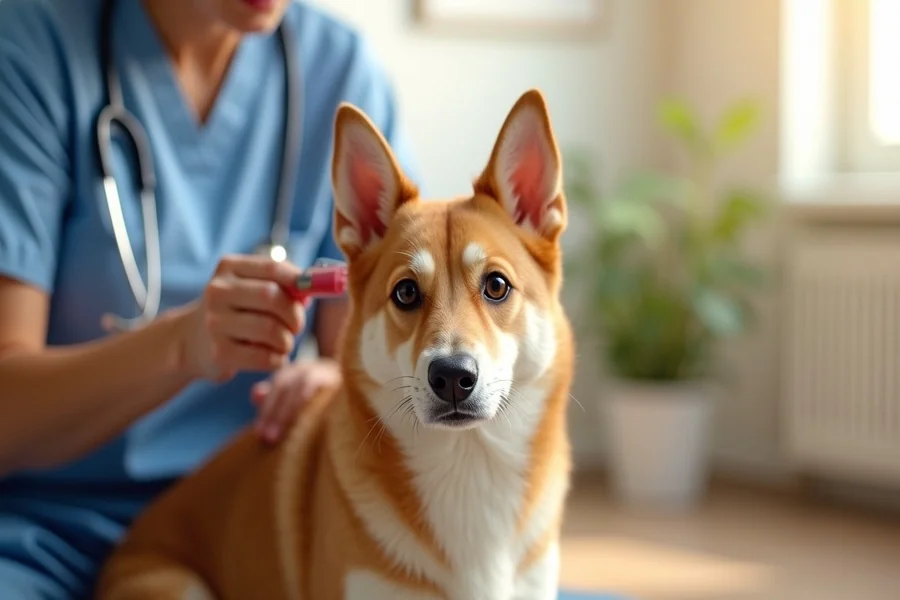
Your pet cannot speak, so you must listen in other ways. A standard wellness exam gives you that chance. In one visit, a veterinarian checks your pet’s body, behavior, and daily needs. You learn what is normal, what is not, and what you can do now to prevent suffering later. This blog walks you through four clear steps a veterinarian in Newark, DE uses in a routine wellness exam. You will see what happens from the moment you walk into the room until you leave with a plan. You will know what questions to ask. You will also know which warning signs you should never ignore at home. With this guide, you can walk into your next visit calm, prepared, and ready to speak up for your pet’s health. Your pet depends on you. You deserve clear answers.
Step 1: Intake Questions And Medical History
The visit starts before anyone touches your pet. The team asks clear questions. These questions shape every choice that follows.
You can expect questions about three things.
- Daily life. Food, water, bathroom habits, exercise, sleep, and changes at home.
- Past care. Vaccines, heartworm tests, flea and tick control, past illness, and surgery.
- Behavior. New fears, aggression, hiding, limping, or trouble jumping.
First, answer with simple facts. Do not guess. If you do not know a detail, say that you do not know. Guessing can hide risk.
Next, share anything that feels wrong. Even small shifts matter. A slight drop in appetite or a new cough can point to early disease. The American Veterinary Medical Association stresses that early care often lowers pain and cost.
Finally, bring records. Bring a list of medicines, old test results, and vaccine dates. Clear history prevents repeat shots and drug mix-ups. It also helps the veterinarian track patterns over time.
Step 2: Full Nose To Tail Physical Exam
After history, the hands-on exam starts. The goal is simple. Find trouble before it erupts.
The veterinarian checks your pet in a steady order. You can watch and ask questions as each part is done.
- Eyes and ears. Look for redness, discharge, cloudiness, or swelling.
- Mouth and teeth. Check gums, tooth wear, tartar, and bad breath.
- Skin and coat. Look for bald spots, flakes, lumps, scabs, and fleas or ticks.
- Heart and lungs. Listen for rhythm changes, murmurs, or harsh sounds.
- Abdomen. Gently feel for pain, thick organs, or masses.
- Joints and muscles. Move legs and spine. Watch for stiffness or pain.
- Weight and body shape. Judge if your pet is underweight, ideal, or overweight.
You may see the veterinarian press on the gums and watch how fast the color returns. You may also see them feel lymph nodes along the jaw, shoulders, and legs. Each small check gives clues about blood flow, infection, or cancer.
Next, the veterinarian scores your pet’s body condition. This is not only about looks. Extra weight strains joints and the heart. Low weight can signal a hidden disease. The Centers for Disease Control and Prevention explains that pet health also protects people in the home.
Step 3: Screening Tests And Preventive Care
After the exam, the veterinarian often suggests tests. These tests look inside the body where eyes and hands cannot reach.
Common wellness tests include three main groups.
- Blood tests. Check organs, infection, anemia, and blood sugar.
- Urine tests. Check kidneys, bladder, crystals, and sugar in urine.
- Stool tests. Check for worms and other parasites.
Some pets need extra checks. Older pets may need thyroid tests, blood pressure tests, or X-rays. Heartworm tests are routine for dogs and often for cats. In some regions, tick disease tests are standard.
Preventive care is also part of this step. The veterinarian reviews vaccines, parasite control, and dental care. You may discuss spay or neuter plans. You may set up cleanings or weight checks.
Example Wellness Tests By Life Stage
| Life Stage | Common Tests | Typical Frequency |
|---|---|---|
| Puppy or Kitten | Fecal test, basic blood test, virus tests, vaccine series | Every 3 to 4 weeks until vaccine series ends |
| Adult | Heartworm test, fecal test, blood work as advised | Every 12 months |
| Senior | Full blood panel, urine test, blood pressure, X-rays as needed | Every 6 to 12 months |
This table is only a guide. Your pet’s plan depends on age, breed, and lifestyle. A hunting dog or outdoor cat often needs tighter screening than an indoor pet.
Step 4: Care Plan, Education, And Follow Up
The last step turns all the findings into a clear plan. This is where you and the veterinarian work as a team.
First, you hear the exam results in plain language. You should understand three points.
- What looks healthy right now.
- What needs closer watching.
- What needs action today.
Action might include medicine, a diet change, a dental cleaning, or more tests. It might also include simple home steps such as changing litter, trimming nails more often, or using a ramp for stairs.
Next, set goals you can keep. Crash diets or extreme exercise plans do not last. Ask for small steps instead. For example, swap one treat session for a short walk. Measure food with a cup instead of guessing. Schedule tooth brushing a few times a week.
Finally, confirm follow up. Ask when to return. Ask which signs should trigger an urgent visit. Common red flags include trouble breathing, sudden collapse, refusal to eat, or repeated vomiting.
How You Can Prepare Before Every Wellness Exam
You can turn each visit into a stronger shield for your pet with three simple habits.
- Keep a log. Write down appetite, bathroom issues, coughing, limping, or skin changes.
- Bring proof. Bring photos or short videos of strange behavior that never shows in the exam room.
- Write questions. Bring a list so you do not forget under stress.
Each wellness exam is a chance to catch pain early, guard your family, and honor the bond you share with your pet. When you walk into the clinic prepared, you give your pet a clear voice. When you walk out with a plan, you carry real power to protect that small life that trusts you without question.